Switching to Linux
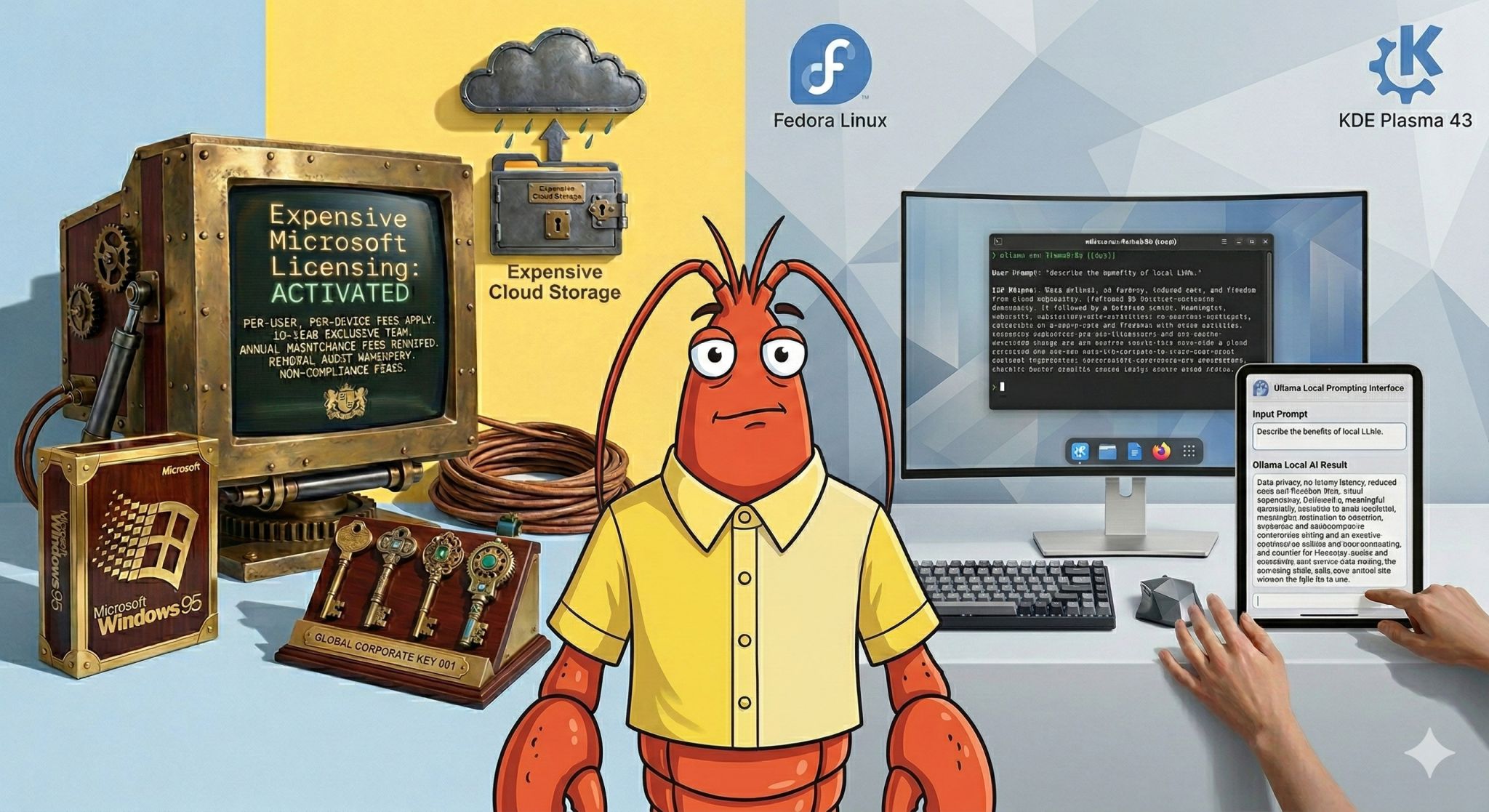
Have you ever thought about switching to Linux?
I started with Windows 3.11 in the early 1990s and have used every major version since, including Windows 11 most recently. Along the way I also became proficient with macOS, UNIX, and Linux. But my introduction to Linux was not as a hobby. It came from necessity.
In 2005, while working at a small MEMS engineering startup focused on ASIC design, I helped deploy and support a network of Red Hat Enterprise Linux workstations used by engineers for chip design and simulation. These systems ran specialized electronic design automation (EDA) tools designed primarily for Linux and UNIX environments. Stability and uptime were critical, and this was my first exposure to Linux as a true production operating system.
A couple years later, while studying for my Solaris certification, I received a free copy of Ubuntu. That opened the door to using Linux more broadly in home labs and personal projects. Over time I used Fedora, Ubuntu, and even experimented with Arch. Still, Windows remained my primary operating system for decades, including Windows 11 on my main workstation.
Until this week.
I migrated my primary desktop system from Windows 11 to Fedora KDE Plasma 43. I moved my files out of OneDrive, disabled auto renew on Microsoft 365, and committed to Linux as my daily environment. I configured the NVIDIA drivers, migrated my workflows, and validated that everything I rely on works as expected.
Modern Linux is no longer limited to servers or niche use cases. It is a mature, stable, and highly capable operating system that can serve as a primary desktop platform for many technical users.
Cost was one of the biggest motivators. Modern computing has become increasingly subscription driven, with recurring licensing fees for productivity tools, cloud storage, and hosted services. By switching to Linux, using free and open source software, and relying on local infrastructure such as my own NAS for storage and backups, I significantly reduced my ongoing software expenses.
Equally important is control and flexibility. Linux allows me to choose when and how systems are updated, which software is installed, and where my data is stored. It aligns closely with the same platform that powers cloud infrastructure, development environments, and most modern computing systems.
By combining Linux, free and open source software, local storage, and a small number of targeted subscriptions such as AI services, I now have the same core capabilities I had before, but with far lower ongoing cost and far greater control over my computing environment.
For the first time in over 30 years, my primary operating system is no longer Windows 11.
This time, it is Linux.